Switchboard Upgrade Sydney: Signs and What to Expect
If your lights flicker when you switch on the air conditioner or your circuit breaker trips every time you plug in a second appliance, your switchboard is trying to tell you something. These are not minor inconveniences. They are warning signs that the electrical heart of your property can no longer keep up with the demands you are placing on it.
A switchboard upgrade in Sydney is one of the most important safety investments a property owner can make. Older switchboards, particularly those still fitted with ceramic fuses or rewireable fuse wire, were never designed to handle the electrical loads of modern life. They lack the safety devices required by current Australian Standards, and they put your property, your family, and your insurance coverage at serious risk.
This guide covers the key signs that indicate your switchboard needs replacing, what actually happens during a professional upgrade, and how to make sure the work is done safely and to code. Whether you own a home on the Northern Beaches, manage a commercial building in the Sydney CBD, or are planning a renovation anywhere across wider Sydney, understanding your switchboard is essential to protecting your property.
Why Outdated Switchboards Are a Serious Problem
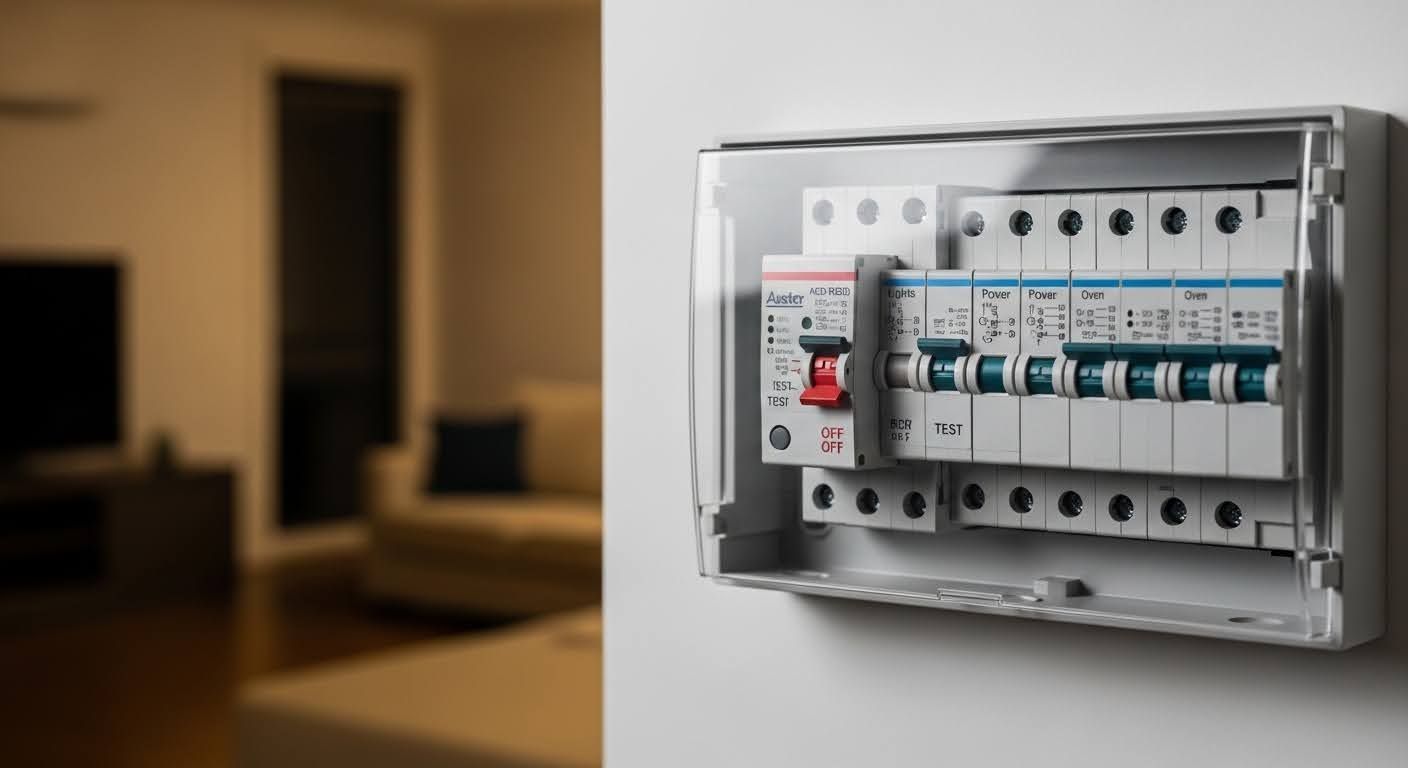
Your switchboard is the central hub that distributes electricity to every circuit in your property. It houses the safety devices, including circuit breakers and safety switches (RCDs), that protect you from electrical fires, shocks, and equipment damage. When a switchboard is outdated, those protections are either inadequate or missing entirely.
Many Sydney homes and older commercial properties still have switchboards installed in the 1970s, 1980s, or 1990s. These boards typically use ceramic fuses or miniature circuit breakers without residual current devices. They were designed for properties running a few lights, a fridge, and a television.
Today, the average household runs air conditioning, multiple computers, kitchen appliances, EV chargers, and sometimes solar inverters. The mismatch between old switchboard capacity and modern electrical demand creates overloaded circuits, frequent tripping, and genuine fire risk.
According to Fire and Rescue NSW, electrical faults remain one of the leading causes of house fires in the state. A significant proportion of these fires originate from outdated switchboards and faulty wiring. The hidden cost of neglecting a switchboard upgrade goes beyond the risk of fire. If your switchboard does not meet current NSW Fair Trading regulations, your home insurance could be voided in the event of a claim. That is a financial risk many property owners do not consider until it is too late.
Beyond safety, an outdated switchboard can also affect your ability to sell or renovate your property. Building certifiers and licensed electricians will flag non-compliant switchboards during inspections, potentially stalling renovation approvals or property transactions.
Signs You Need a Switchboard Upgrade in Sydney

Not every electrical issue requires a full switchboard replacement. But certain warning signs should prompt you to book an assessment with a qualified electrician in Sydney as soon as possible.
1. Your Switchboard Still Has Ceramic Fuses or Fuse Wire
If you open your switchboard and see porcelain fuse holders or thin fuse wire wrapped around screws, your board predates modern safety standards by decades. These fuses offer no protection against earth leakage faults, which are the type of fault most likely to cause electrocution. Replacing them with a modern switchboard fitted with RCDs is not optional. It is a safety necessity.
2. Frequent Circuit Breaker Trips or Blown Fuses
The occasional trip is normal. But if you find yourself resetting breakers or replacing fuses regularly, your circuits are overloaded or your switchboard cannot handle the current distribution. This is especially common in older Sydney homes where the original board was sized for a fraction of the electrical load the property now carries.
3. Burning Smell, Discolouration, or Scorch Marks
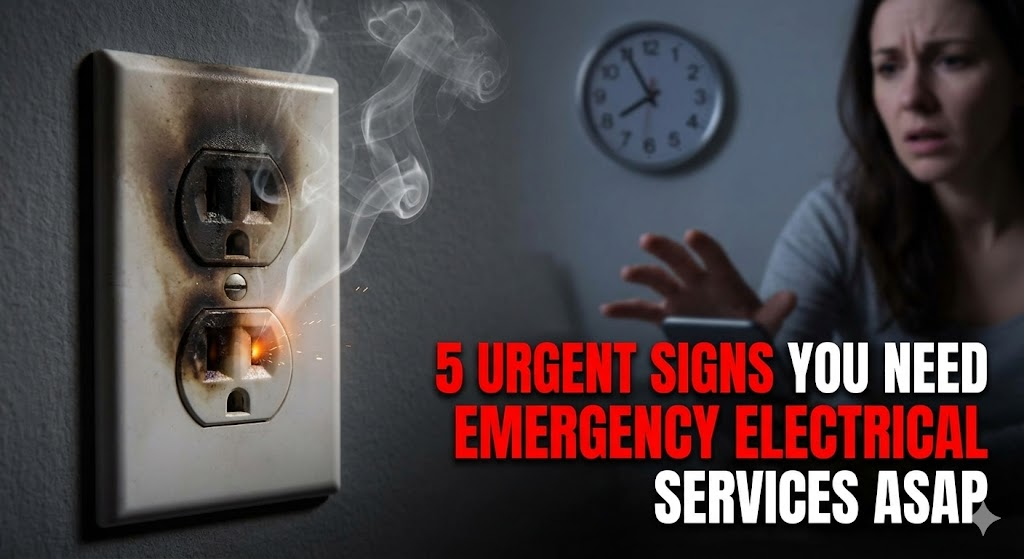
Any sign of heat damage around your switchboard is an urgent safety concern. Discoloured plastic, a burning smell, or visible scorch marks indicate arcing or overheating inside the board. In these situations, contact an emergency electrician immediately. Do not attempt to reset any switches yourself.
4. You Are Renovating or Adding New Circuits
If you are planning a renovation, adding a granny flat, installing solar panels, or wiring an EV charger, your existing switchboard may not have the capacity or the safety features required. In most cases, a renovation is the ideal time to upgrade your electrical switchboard because the work can be coordinated with other trades and the new board can be sized for your future needs.
5. No Safety Switch (RCD) Installed
Since 2000, all new residential switchboards in NSW have been required to include safety switches on power and lighting circuits. If your property was built before this requirement, your switchboard almost certainly does not have adequate RCD protection. Safety switches detect earth leakage faults in as little as 30 milliseconds and cut the power before you receive a potentially fatal shock.
6. Flickering Lights or Power Fluctuations
Lights dimming or flickering when you turn on appliances can indicate loose connections, undersized wiring, or an overloaded switchboard. While the cause could be elsewhere in the circuit, the switchboard is the first place a qualified electrician will inspect.
What Happens During a Switchboard Upgrade
Many property owners put off a switchboard upgrade because they are unsure what the process involves. In reality, most residential switchboard upgrades are completed within a single day with minimal disruption to your routine.
The diagram below outlines the typical steps involved in a professional switchboard upgrade:
Step 1: On-Site Assessment
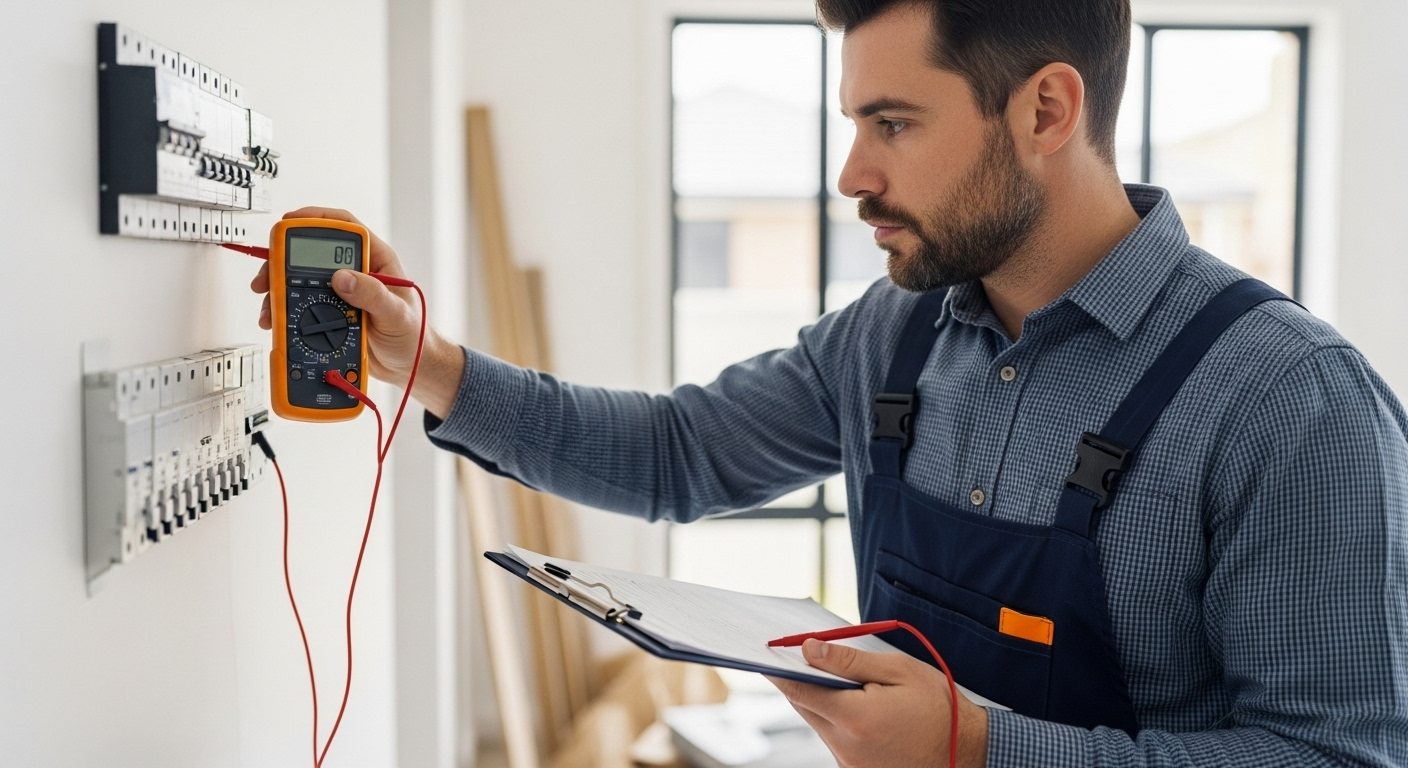
A qualified electrician inspects your existing switchboard, assesses the condition of your wiring, and identifies any safety hazards. This assessment determines whether you need a full switchboard replacement or a partial upgrade. The electrician will also note the number of circuits your property requires and whether additional capacity is needed for future additions like solar or EV charging.
Step 2: Transparent Quote and Planning
You receive a detailed quote outlining the scope of work, the equipment to be installed, and the total cost. A reputable electrician will never pressure you into a decision. At DM Electrical, quotes are provided in writing with a clear breakdown so you know exactly what you are paying for.
Steps 3 to 7: Installation Day
On the scheduled day, the electrician coordinates with your energy provider to isolate power safely. The old switchboard is removed, and the new board is installed with compliant circuit breakers, RCDs, surge protection, and clearly labelled circuits.
All wiring is connected, tested, and verified before power is restored. Because reconnecting the service mains requires Level 2 ASP (Accredited Service Provider) certification, it is important to choose an electrician who holds this qualification. Without it, a second contractor would need to attend just to reconnect power, adding cost and delay.
Step 8: Compliance and Handover
Once the upgrade is complete, you receive a Certificate of Compliance for Electrical Work (CCEW) as required by NSW regulations. This certificate is your proof that the work was performed to Australian Standards and is essential for insurance and future property transactions. You also receive a full walkthrough of your new switchboard so you understand what each switch controls.
Service Options: Residential, Commercial, and Emergency Upgrades
The right type of switchboard upgrade depends on your property, its electrical demands, and how urgently the work needs to be done. Here is a breakdown of the most common options.
Residential Switchboard Upgrades
For most Sydney homeowners, a standard residential switchboard upgrade involves replacing the existing board with a new unit that meets current Australian Standards (AS/NZS 3000).
This typically includes installing RCDs on all circuits, appropriately rated circuit breakers, and surge protection. If your home is on the Northern Beaches, Brookvale, or anywhere across wider Sydney, a local electrician in Sydney who understands the area can often complete the job in under a day.
Commercial and Industrial Upgrades
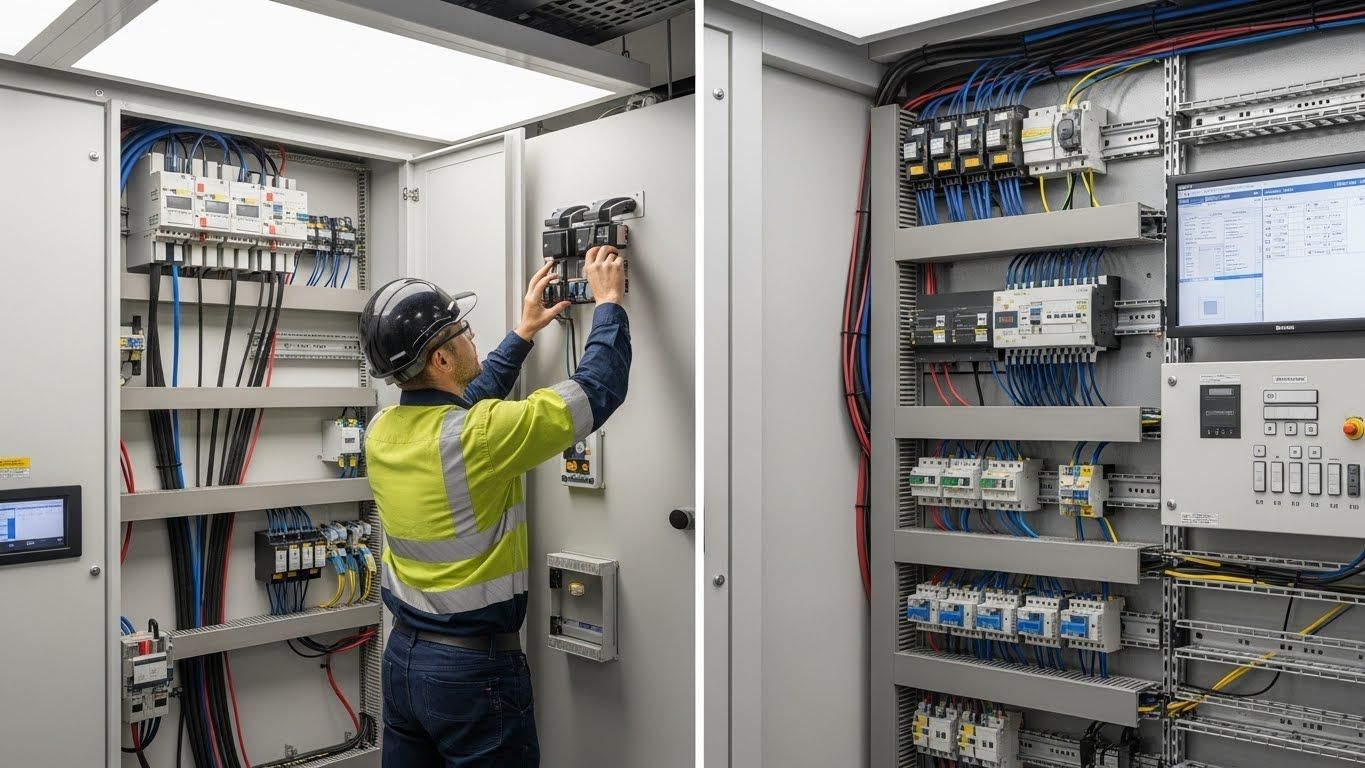
Commercial properties often have larger, more complex switchboards with three-phase power, multiple distribution boards, and higher safety requirements. Upgrades in these settings require careful planning to minimise business downtime. A qualified Sydney CBD electrician will schedule the work around your operating hours and coordinate any required shutdowns in advance.
Emergency Switchboard Work
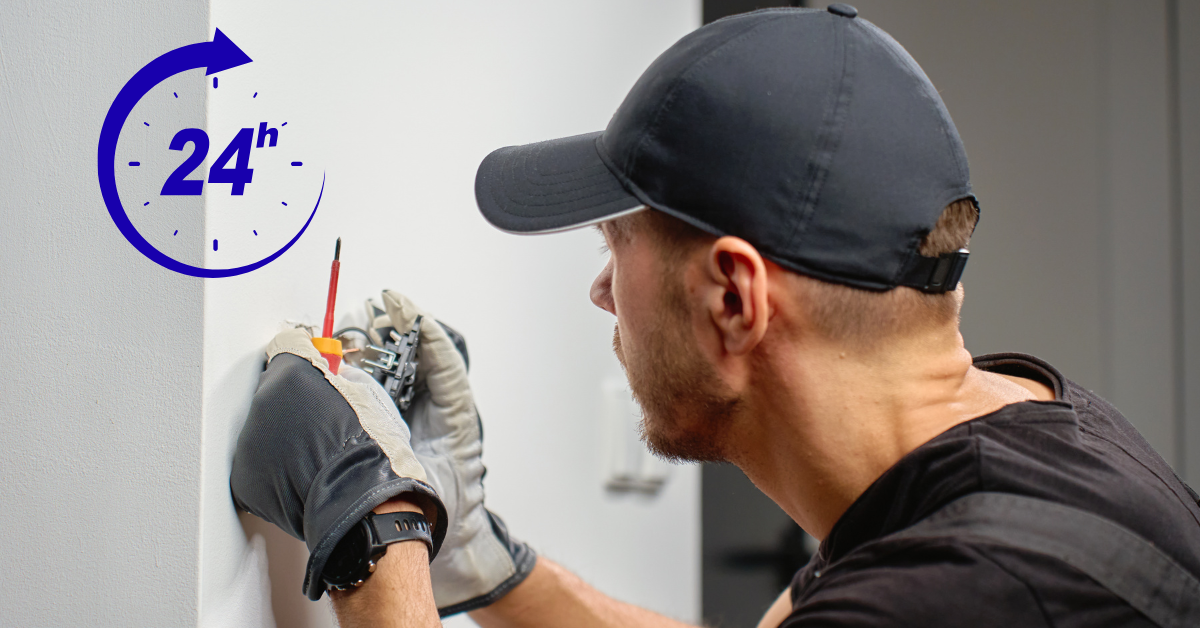
If your switchboard has failed, is showing signs of damage, or is posing an immediate safety risk, do not wait for a scheduled appointment. Emergency electrical services are available 24/7 to make your switchboard safe and, where possible, carry out the upgrade on the spot. Recognising the urgent signs that you need emergency electrical help can prevent a minor issue from becoming a major incident.
High-End Residential
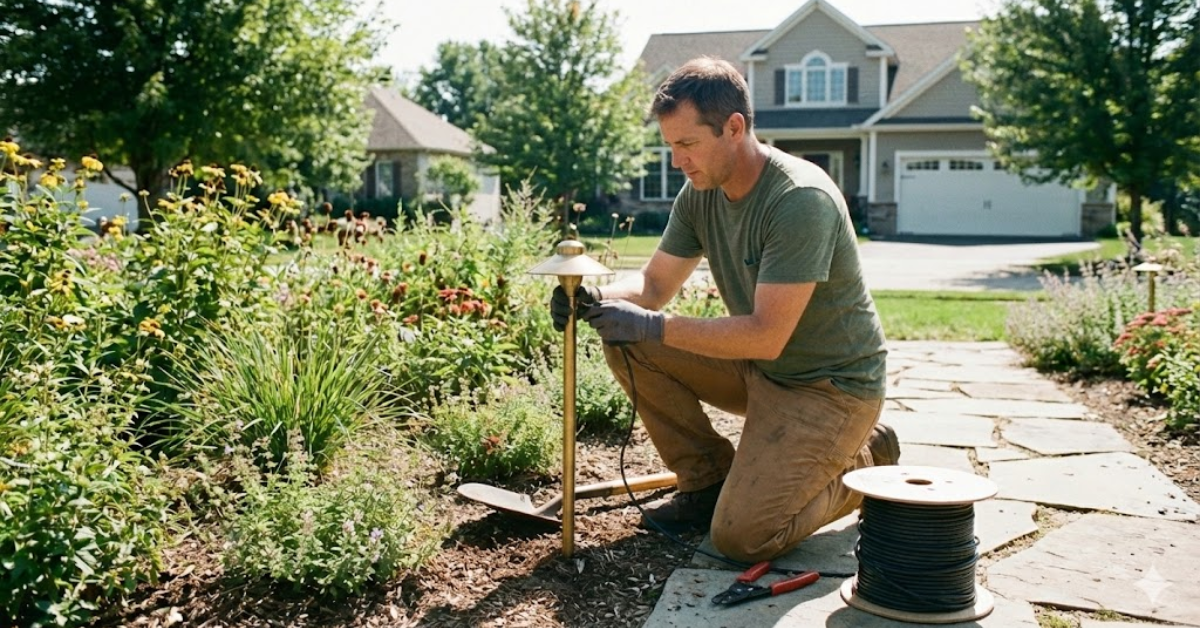
Luxury homes and architecturally designed properties often require switchboards with additional capacity for home automation, landscape lighting, heated flooring, and integrated AV systems. High-end residential electrical work demands an electrician who understands both the technical requirements and the aesthetic standards expected in premium properties.
The Risk of Delaying Your Switchboard Upgrade
Putting off a switchboard upgrade might seem like a way to save money in the short term, but the risks compound over time.
- Electrical fires caused by overloaded or faulty switchboards can result in catastrophic property damage and endanger lives.
- Insurance claims can be denied if your switchboard does not comply with current regulations. Insurers routinely investigate the condition of electrical systems after a fire or damage event.
- Non-compliant switchboards can result in fines or failed building inspections, especially during property sales or renovation approvals.
- DIY electrical work or hiring unlicensed tradespeople is illegal in NSW and exposes you to personal liability if someone is injured.
According to SafeWork NSW, all electrical work in the state must be carried out by a licensed electrical contractor. Work involving the service mains, including the connection between the meter and the switchboard, specifically requires a Level 2 ASP. Using an unqualified person for this work is not just dangerous. It is a breach of NSW electrical safety legislation.
The cost of a professional switchboard upgrade is modest compared to the potential cost of an electrical fire, a voided insurance policy, or a failed compliance inspection. For most residential properties, the upgrade pays for itself in safety and peace of mind alone.
Best Practices for Sydney Property Owners
Keeping your electrical system safe does not require technical expertise, but it does require awareness and action. Here are some practical guidelines:
- Test your safety switches every three months by pressing the test button on each RCD in your switchboard. If the switch does not trip, book a service immediately.
- Never ignore warning signs like flickering lights, tripping breakers, buzzing sounds, or a burning smell near your switchboard.
- Always check that your electrician holds a current NSW electrical licence. For switchboard upgrades involving the service mains, confirm they are a Level 2 ASP.
- Ask for a written quote that details the scope of work, materials, and compliance documentation before any work begins.
- Keep your Certificate of Compliance (CCEW) in a safe place. You will need it for insurance claims, property sales, and future electrical work.
- Schedule a professional electrical inspection at least every five years, or before any major renovation.
Understanding the difference between emergency electrical work and scheduled upgrades can also save you money. If your switchboard is functional but outdated, a scheduled upgrade allows for proper planning and competitive pricing. If it has failed or is showing signs of damage, emergency service is the appropriate response.
How DM Electrical Handles Switchboard Upgrades in Sydney
DM Electrical is a Level 1 and Level 2 Accredited Service Provider covering the Northern Beaches, Sydney CBD, and wider Sydney. This dual accreditation means every stage of a switchboard upgrade, from disconnecting the mains to reconnecting and energising the new board, is handled by the same qualified team. There is no need to coordinate multiple contractors.
Every switchboard upgrade follows a structured process: on-site assessment, written quote, scheduled installation, full testing, and compliance certification. DM Electrical provides a lifetime guarantee on workmanship, fast response times, and clear communication at every stage.
With a 4.9 Google rating and experience across residential, commercial, and high-end properties, DM Electrical approaches every job with the same standard of care. Whether it is a straightforward switchboard replacement in a suburban home or a complex three-phase upgrade for a commercial premises, the focus is always on safety, compliance, and minimal disruption to your day.
FAQs
How do I know if my switchboard needs upgrading?
Look for ceramic fuses, frequent tripping, scorch marks, a burning smell, or the absence of safety switches (RCDs). If your switchboard was installed more than 25 years ago, it is very likely due for an upgrade regardless of visible symptoms. A licensed electrician can confirm during an on-site assessment.
How long does a switchboard upgrade take?
Most residential switchboard upgrades are completed in four to eight hours. More complex installations, such as three-phase commercial boards, may take a full day or require staged work. Your electrician will confirm the expected timeframe during the quoting process.
Will the power be off all day?
Power needs to be isolated during the upgrade, but a qualified electrician will plan the work to keep the outage as short as possible. For most residential jobs, power is off for four to six hours. If you work from home, your electrician can advise on the best day and time to schedule the upgrade.
What is the difference between Level 1 and Level 2 ASP?
Level 1 ASPs are authorised to work on the overhead and underground service lines that connect your property to the electricity network. Level 2 ASPs are authorised to work on the connection between the network and your switchboard, including the metering equipment. A switchboard upgrade typically requires Level 2 ASP certification for disconnection and reconnection of the service mains.
How much does a switchboard upgrade cost in Sydney?
Costs vary depending on the size of your property, the number of circuits, the condition of existing wiring, and whether three-phase power is involved. A standard residential upgrade typically ranges from $1,500 to $4,000. The best way to get an accurate price is to request an on-site assessment and written quote.
Do I need council approval for a switchboard upgrade?
No. A switchboard upgrade is classified as electrical work, not building work, and does not require council approval. However, a Certificate of Compliance for Electrical Work (CCEW) must be issued by the licensed electrician who performs the upgrade. This certificate is a legal requirement in NSW.
Can I upgrade just the safety switches without replacing the whole switchboard?
In some cases, RCDs can be retrofitted to an existing switchboard if the board is in good condition and has sufficient space. However, if the board itself is outdated, damaged, or non-compliant, a full replacement is the safer and more cost-effective option. Your electrician will advise on the best approach during the assessment.
Is a switchboard upgrade covered by insurance?
Switchboard upgrades are a maintenance expense and are not typically covered by home insurance. However, the cost of not upgrading can be far greater. If your non-compliant switchboard contributes to an electrical fire, your insurer may reduce or deny your claim entirely.
Protect Your Property with a Professional Switchboard Upgrade
Your switchboard is the most important safety device in your property. If it is outdated, overloaded, or missing essential protection like RCDs and surge protection, it is putting your home, your business, and the people inside at risk.
A professional switchboard upgrade carried out by a certified Level 2 ASP ensures your property meets current Australian Standards, satisfies insurance requirements, and is equipped to handle the electrical demands of modern living.
DM Electrical provides switchboard upgrades across Sydney, from the Northern Beaches to the CBD and beyond. With Level 1 and Level 2 ASP certification, 24/7 emergency availability, and a lifetime guarantee on workmanship, your property is in safe hands. Call
0410 144 047 today to book your switchboard assessment, or book our service directly to request a quote online.