What Is Cladding? Types, Benefits & Costs for Australian Homes
Walk down any street in Hampton, Brighton or Toorak, and you will spot the difference between a property with thoughtful exterior craftsmanship and one that feels flat. That difference often comes down to cladding. Yet when most homeowners ask “what is cladding?”, they receive a vague answer about “covering” rather than a clear picture of how it protects, performs and elevates a property.
Cladding is far more than a decorative skin. It is the protective layer that shields your home from Melbourne’s variable weather, manages moisture, supports thermal performance and shapes the architectural character of your property. Choosing the right system, and the right installer, has lasting consequences for both durability and design.
This guide explains what cladding is, the materials Australian homes are built with today, the costs to expect, and the warning signs that tell you when to call a specialist instead of a generalist.
What Is Cladding? Understanding the Basics
In simple terms, cladding is the external material applied to the outside walls of a building. It sits between the structural frame and the open environment, creating a protective and decorative envelope around the property. Think of it as the weatherproof skin that keeps water, wind, heat and noise where they belong.
When people ask what is cladding on a house, the answer involves several layers working together. A typical wall system includes the structural frame, a sarking or weather barrier, battens that create a ventilation cavity, and the visible cladding panels themselves. Each layer has a job, and good installation respects every one of them.
Cladding Versus Render and Brick
Traditional brick veneer and cement render have served Australian homes well for decades. Cladding, especially metal cladding, has surged in popularity because it offers something brick struggles to deliver: lightweight panels with crisp shadow lines, modern profiles, and faster install times. It is also a popular renovation upgrade, transforming a tired 1950s home into a sharp contemporary property without rebuilding the structure.
Roofing and Cladding: Two Sides of the Same Skin
Architectural cladding and metal roofing share many of the same materials, fixings and craftsmanship principles. A continuous design language across the roof and walls produces the cleanest visual outcome, which is why specialists who handle both can deliver a unified result rather than a patchwork of disconnected trades. For a deeper look at why cladding has become a smart upgrade for renovators, see this guide on why roof cladding is the smart move for modern renovations.
The Cladding Challenge: Why Quality Matters
Cladding is only as good as the hands that install it. A poorly installed system, regardless of the material on the label, will leak, warp, corrode or simply look wrong within a few years. Melbourne property owners discover this the hard way when corner-cutting contractors leave them with bills far larger than the original quote suggested.
The pain points fall into a few familiar categories.
- Premature failure: thin gauge sheets, the wrong fasteners or skipped flashing details lead to corrosion, wind lift and water ingress
- Aesthetic compromise: misaligned panels, visible joins and mismatched profiles undermine the design vision of the home
- Coastal damage: in Bayside suburbs like Sandringham and Brighton, salt air punishes anything that is not marine grade
- Budget blowouts: rework, redesign and replacement cost far more than installing the correct system the first time
The Hidden Cost of the Lowest Quote
It is tempting to choose the cheapest quote on a project worth tens of thousands. The trouble is that exterior cladding sits in plain view, and any defect is immediately visible to neighbours, valuers and future buyers. Property valuers regularly mark down homes with poorly executed exterior work, even when the rest of the build is solid.
According to the Australian Building Codes Board, cladding systems must comply with the National Construction Code for weatherproofing and fire performance. Compliance is not a marketing claim. It is a baseline that protects you, your insurance and the safety of occupants.
What Melbourne Homes Actually Need
Melbourne’s climate is uniquely demanding. You can have a 35 degree summer day, a hailstorm the next afternoon and a wet southerly the day after. Your cladding has to handle all of it without flinching.
That means choosing materials proven against UV, moisture and wind, fixed with corrosion-resistant fasteners, set out on properly engineered battens, and finished with attention to flashings, junctions and penetrations. Quality craftsmanship is the difference between a cladding system that lasts thirty years and one that fails in five.
Types of Cladding for Australian Homes
Cladding comes in many materials, but not all of them perform equally in Australian conditions. Below are the most common options Melbourne homeowners and architects consider, with the trade-offs you should weigh. The diagram below shows how a typical metal cladding wall system is layered.
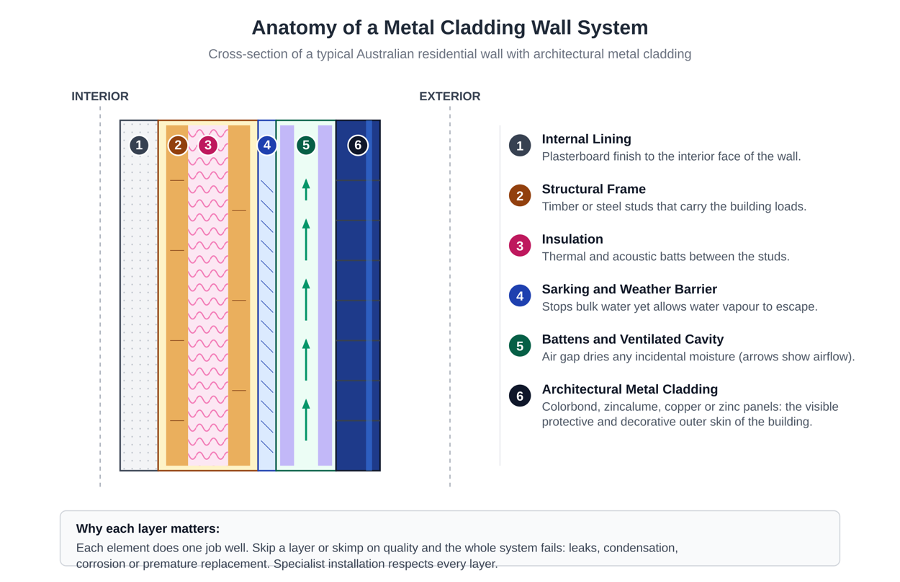
Figure 1. Cross-section of a typical metal cladding wall system used in Australian residential builds.
Metal Cladding (Colorbond and Zincalume)
Metal cladding is the leading choice for modern Australian builds, and for good reason. Colorbond steel by BlueScope is engineered for the local climate, with finishes designed to resist UV fade, corrosion and chipping.
- Lightweight, fast to install, and available in dozens of profiles and colours
- Marine-grade variants suit coastal Bayside properties exposed to salt air
- Pairs seamlessly with metal roofing for a unified architectural appearance
- Recyclable at end of life, contributing to lower-impact construction
If you are considering metal cladding Melbourne homeowners often pair it with a matching metal roofing profile to keep the design language consistent across the entire envelope.
Zincalume and Aluminium
Zincalume offers a raw, matte finish that ages elegantly and suits industrial-style architectural builds. Aluminium panels, particularly composite varieties, deliver smooth surfaces ideal for contemporary commercial and high-end residential projects.
Copper and Zinc
For prestigious period homes in Toorak or Armadale, copper and zinc cladding deliver heritage-respectful detailing with extraordinary lifespans. Copper develops its signature green patina over time, while zinc weathers to a soft grey. Both are premium investments suited to architectural statements.
Timber, Composite and Fibre Cement
Natural timber cladding offers warmth and texture, but demands ongoing maintenance to manage moisture and UV. Fibre cement is affordable and versatile, often used in budget-conscious renovations. It works well for many homes but can lack the design impact of metal in modern architectural contexts.
For multi-storey applications, your material choice carries extra weight. See this piece on cladding for multi-storey buildings in Prahran to see how the considerations differ at scale.
Benefits of Architectural Cladding
Architectural cladding does more than protect a wall. When designed and installed by specialists, it elevates the entire property.
Long-Term Durability and Design Integration
Premium materials installed correctly will outlast generic alternatives by decades. A quality metal cladding system, properly fixed and flashed, can serve a Melbourne home for 30 to 50 years with minimal intervention, even in coastal conditions.
Cladding is also one of the most powerful tools in residential architecture. The right profile, colour and orientation can make a house feel taller, longer, lighter or more grounded, allowing collaboration with your architect to deliver the look without compromising the engineering.
Energy Efficiency and Property Value
Modern cladding systems support thermal performance through ventilated cavities, reflective finishes and integration with insulation. According to Sustainability Victoria, upgrading a building’s external envelope is one of the highest-impact moves for reducing heating and cooling costs.
Quality exterior work consistently lifts valuations. Homes with crisp, contemporary cladding photograph beautifully and stand apart in competitive markets across Hampton, Brighton and Sandringham.
Low Maintenance and Roof Integration
Unlike timber or render, well-installed metal cladding requires only occasional washing to stay looking sharp. There is no repainting cycle, no sanding, no rot. Cladding rarely sits in isolation either. Coordinating cladding with skylights and roofing creates a continuous, weather-tight envelope that performs as a single system rather than a stack of unrelated trades.
The Cost of the Wrong Cladding Choice
A cladding mistake does not just sit there quietly. It compounds, in your maintenance bills, your insurance premiums and your property’s resale value.
Premature Replacement and Aesthetic Damage
Cheap sheets and budget fasteners corrode quickly in Melbourne’s coastal corridor. Property owners who chose the lowest quote are often back at square one within a decade, paying for a full re-clad on top of the original install.
A misaligned profile, a poorly cut flashing, a visible fastener pattern: these are the small failures that ruin an otherwise beautiful home. Once a discerning buyer or valuer notices them, the whole property reads as compromised.
Cladding Costs in Australia
Costs vary widely by material, complexity and access, but as a rough Melbourne benchmark for residential cladding supplied and installed:
- Standard Colorbond cladding: $80 to $150 per square metre
- Premium architectural metal profiles: $150 to $250 per square metre
- Copper or zinc: $300 to $600 per square metre
- Fibre cement: $60 to $120 per square metre
These figures reflect quality installation, not the rock-bottom quotes that often hide skimped materials and short-cut details. The cheapest quote almost always becomes the most expensive outcome.
Best Practices for Melbourne Property Owners
Approach a cladding project the way you would any major investment in your property: with research, the right team and a clear scope.
Choose Specialists, Not Generalists
A general builder who occasionally fits cladding is not the same as a specialist who works with metal cladding every week. Look for installers with documented projects, architectural references and experience with your suburb’s conditions.
Match the Material to the Climate and Architecture
Coastal Bayside homes need marine-grade materials and corrosion-resistant fasteners. A heritage Toorak home suits zinc, copper or carefully selected metal profiles in muted tones. A modern Hampton build leans into bold Colorbond panels with crisp shadow lines. Get this wrong and the result feels off, no matter how well it is installed.
Warning Signs You Need a Specialist
- The quote is dramatically lower than competitors
- The contractor cannot show recent cladding projects
- They cannot specify fastener type or batten spacing
- They dismiss flashing details as unnecessary
- They have no experience with architectural cladding on similar properties
How HK Roofing Approaches Cladding Projects
HK Roofing was founded in 2019 by Hans and Kevin, two Kiwi tradesmen who combined more than 25 years of New Zealand and Australian roofing and cladding experience. That blend of standards is part of why their work stands apart.
The HK Roofing process is deliberately refined.
1. Project submission and on-site consultation
2. Custom quote with transparent material and labour breakdown
3. Scheduled installation date that respects your build timeline
4. Meticulous installation by specialists who handle cladding daily
5. Satisfaction guarantee backed by photographic documentation
Working from 103B Henry St, Windsor, the team serves Melbourne homeowners, large-scale builders and architects across Bayside, the inner suburbs and beyond. Recent work appears on coastal renovations in Brighton, contemporary new builds in Hampton, and prestigious period homes in Toorak.
The architectural eye is what defines the craftsmanship. Roofing and cladding are treated as design elements, not just functional layers, with premium materials, trusted local suppliers and on-time delivery rounding out the offering.
Frequently Asked Questions
What is cladding on a house?
Cladding is the external material applied to a building’s walls to protect the structure and define its appearance. It sits over a weather barrier and battens to keep water out while supporting thermal performance and aesthetic design. Common materials include metal, timber, fibre cement, copper and zinc. The right choice depends on your architectural style, climate and budget.
How long does metal cladding last in Melbourne?
Quality metal cladding installed properly can last 30 to 50 years in Melbourne, even in coastal Bayside suburbs. Marine-grade Colorbond, corrosion-resistant fasteners and well-detailed flashings are essential for that lifespan. Cheap installations often need replacing within 10 to 15 years.
Is metal cladding suitable for coastal Bayside homes?
Yes, provided you specify marine-grade products and corrosion-resistant fasteners. Standard cladding can corrode quickly when exposed to salt air, so coastal experience matters. Look for installers with documented Bayside projects and proven local material specifications for Hampton, Brighton and Sandringham conditions.
How much does cladding cost per square metre?
For Melbourne residential projects, expect $80 to $150 per square metre for standard Colorbond, $150 to $250 for premium architectural metal, and $300 to $600 for copper or zinc. These figures cover supply and installation by qualified specialists. Quotes well below these ranges usually reflect compromises in materials or workmanship.
Can cladding be installed on an existing home?
Yes. Cladding is one of the most popular renovation upgrades in Melbourne because it can transform tired weatherboard or sheet-clad homes without rebuilding the structure. The existing exterior is assessed, repaired where needed, and the new cladding system is installed over fresh battens and a weather barrier.
Does cladding improve energy efficiency?
Modern cladding systems support thermal performance, especially when paired with ventilated cavities and quality insulation. They reduce heat gain in summer, retain warmth in winter and help lower energy bills. They are also a key component of passive house and energy-rated builds.
How long does a cladding project take?
A typical residential cladding project takes between two and four weeks, depending on size, material and access. Large architectural builds and commercial projects scale accordingly. Quality specialists build realistic timelines into every quote and prioritise on-time delivery.
Can cladding integrate with skylights and metal roofing?
Absolutely. The best results come when cladding, skylights and metal roofing are designed and installed as a coordinated system. A single specialist team handling all three elements eliminates the gaps where leaks, mismatched materials and design clashes typically appear.
Conclusion
Cladding decisions outlast many other choices you will make for your property. Done well, the result protects your home for decades and lifts its character every time you pull into the driveway. Done poorly, it creates a slow-motion problem that gets more expensive each year.
The path forward is straightforward. Choose specialists with a track record in architectural metal cladding, demand transparent quoting, and insist on materials matched to Melbourne’s climate and your suburb’s specific conditions.
For a custom quote on architectural cladding, metal roofing or skylight integration, contact HK Roofing on
0435 875 877 or visit the architectural cladding page. Protect and enhance your property with craftsmanship that respects both design and durability.